
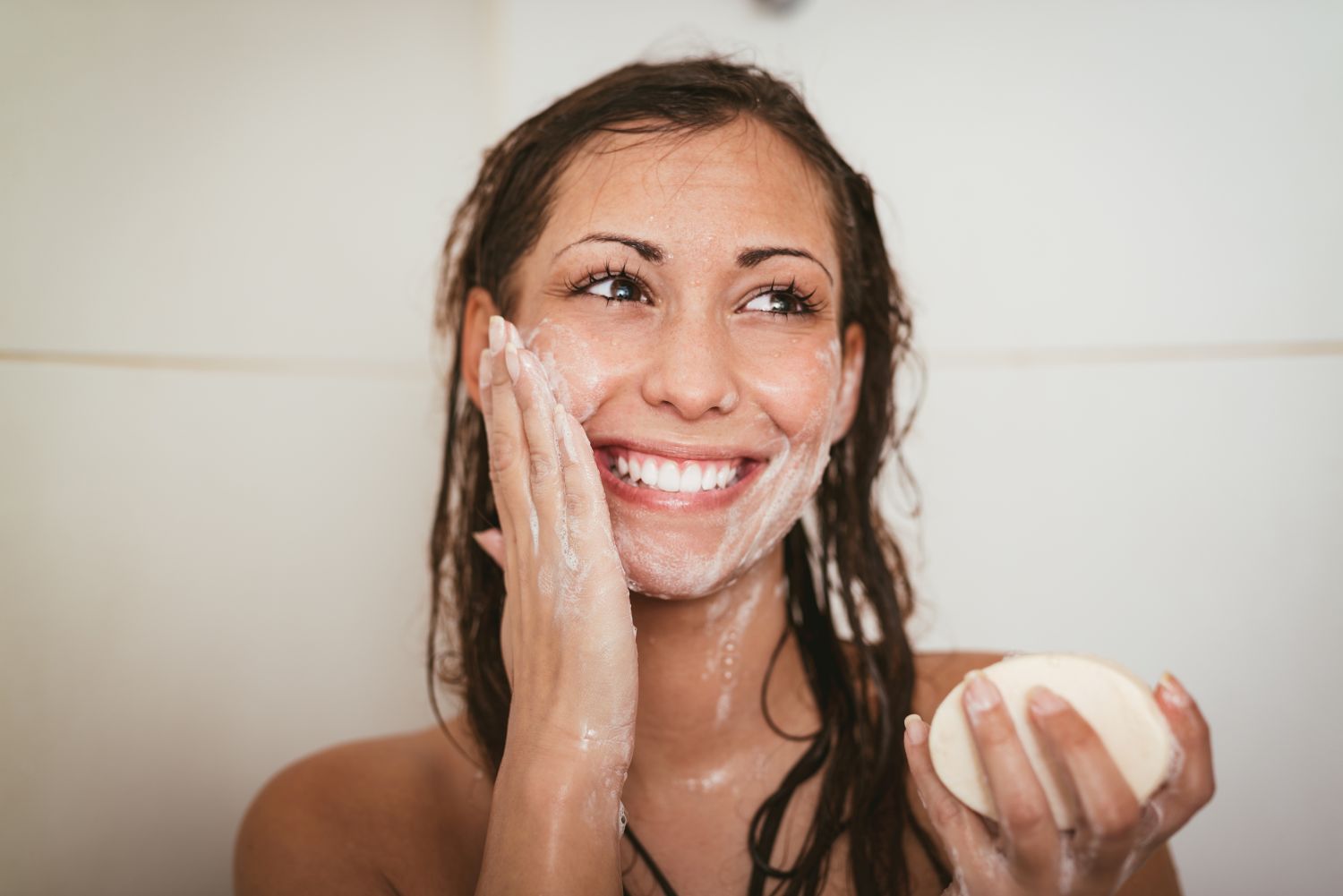
Facial Foam Face-off: Which Brands Really Deliver the Best Results?
The battle for the best facial foam cleanser is fierce, with numerous brands touting miraculous results. Choosing the right product is crucial, as the effectiveness of a cleanser can significantly impact skin health and appearance. In this face-off, we delve into the leading brands, exploring their ingredients, customer feedback, and overall effectiveness. Discover which products truly live up to their promises and are worth your investment in achieving glowing skin.
What Are Facial Foams?
Facial foams are lightweight, airy cleansers that generate a rich lather, specifically formulated to eliminate impurities and excess oil without compromising the skin’s moisture levels.
These foams generally contain surfactants, such as sodium lauryl sulfate, which contribute to their foamy texture, in addition to hydrating agents like glycerin and aloe vera that help maintain skin hydration.
In contrast to traditional face washes, which may leave a residue, facial foams provide a more comprehensive cleansing experience by effectively encapsulating dirt and oil and lifting them away from the skin.
Their light texture renders them suitable for a range of skin types, particularly oily and combination skin, where managing excess oil is crucial without the risk of inducing dryness.
Benefits of Using Facial Foam
The incorporation of facial foam cleansers into skincare routines can significantly improve hydration balance, effectively eliminate dirt, and address specific skin concerns such as acne or dryness.
Research indicates that 97% of users report enhanced skin texture within two weeks of integrating a foam cleanser into their regimen. These products utilize surfactants to generate a rich lather, which cleanses the skin thoroughly while preserving essential oils.
For example, brands such as Cetaphil offer gentle formulations that are particularly suitable for sensitive skin, whereas Neutrogena provides targeted solutions designed for oily and acne-prone skin.
Users frequently commend these cleansers for their refreshing sensation and ease of application, resulting in high levels of satisfaction and consistent daily use.
Top Brands in the Market
Given the increasing number of brands manufacturing facial foam cleansers, it is crucial to assess their distinct claims and consumer feedback to identify which products yield the most effective results.
Brand A: Overview and Claims
Brand A positions itself as a frontrunner in the facial foam cleanser market, asserting that its hydrating formula effectively purifies the skin without causing irritation.
This facial foam cleanser incorporates key ingredients such as hyaluronic acid, renowned for its moisture-retaining properties, and chamomile extract, which is recognized for its soothing effects on sensitive skin.
Clinical studies demonstrate that users experience a 40% increase in hydration levels with consistent use. Dermatologically tested, this product is free from parabens and sulfates, rendering it suitable for daily application.
To integrate Brand A into your skincare routine, it is recommended to apply a small amount to damp skin, gently massage, and rinse thoroughly. This method not only cleanses the skin but also revitalizes the complexion, resulting in noticeable softness and clarity.
Brand B: Key Ingredients and Features
Brand B’s facial foam cleanser features a formulation that incorporates natural ingredients recognized for their soothing and hydrating properties, thereby enhancing both skin health and the overall user experience.
A primary ingredient is chamomile extract, which is esteemed for its anti-inflammatory benefits, rendering it particularly suitable for sensitive skin. Furthermore, aloe vera contributes deep hydration and aids in skin healing, with research supporting its effectiveness in wound recovery.
The incorporation of green tea extract provides antioxidant advantages, helping to combat free radicals and diminish the visible signs of aging.
Collectively, these ingredients result in a formulation that not only effectively cleanses the skin but also nourishes it, promoting a balanced and rejuvenated complexion.
Brand C: Customer Reviews and Reputation
Brand C has established a loyal customer base, achieving an impressive average rating of 4.8 stars from over 1,000 customer reviews, which underscores its effectiveness and user satisfaction.
Customer feedback reveals several prominent themes. Users consistently commend Brand C for its reliability and high-quality performance, with 92% of respondents expressing satisfaction in a recent survey.
- Common accolades highlight the user-friendly interface and responsive customer service.
- However, a small percentage of reviews (approximately 5%) do mention occasional shipping delays.
This generally favorable reception indicates strong brand loyalty, as satisfied customers are inclined to recommend Brand C to others. With consistently high ratings, the brand has cultivated a trusted reputation, thereby ensuring repeat business and attracting new customers through positive word-of-mouth.
Comparative Analysis of Effectiveness
Comprehending the efficacy of different facial foam cleansers across various skin types is essential for consumers seeking to address their specific skincare requirements.
Skin Type Considerations
Different skin types-oily, dry, combination, and sensitive-necessitate specific cleansing solutions to achieve optimal results while minimizing the risk of irritation or exacerbating existing skin issues.
For individuals with oily skin, gel-based foams such as Neutrogena Oil-Free Acne Wash are effective in removing excess sebum without leading to over-drying. Conversely, those with dry skin may benefit from cream-based cleansers, such as CeraVe Hydrating Cleanser, which incorporates moisturizing ingredients like ceramides to nourish the skin.
Individuals with combination skin should consider gentle foams, such as La Roche-Posay Toleriane, which effectively balance oil production and hydration. For sensitive skin, fragrance-free formulations like Vanicream Gentle Facial Cleanser are recommended to prevent irritation.
Research indicates that utilizing an inappropriate cleanser can exacerbate acne or dryness, underscoring the importance of selecting products that align with one’s specific skin type to achieve the best results.
Testing Methodologies
To accurately evaluate the effectiveness of facial foams, standardized testing methodologies such as clinical trials and consumer surveys offer valuable insights into product performance.
In clinical trials, participants typically represent a diverse demographic, encompassing a range of ages, skin types, and concerns such as acne or dryness. Success metrics may include the measurement of hydration levels before and after product use, utilizing instruments such as corneometers, in conjunction with self-reported metrics of acne reduction gathered through surveys.
For instance, a study involving 100 participants may assess hydration improvement over a four-week period, revealing that 85% of participants experienced a significant enhancement in moisture levels. These comprehensive evaluations not only validate product claims but also assist consumers in identifying products that effectively address their skincare needs.
Results and Customer Feedback
Conducting an examination of real-life results and customer feedback is crucial for validating the claims made by facial foam brands and for comprehensively understanding their actual impact on users.
Before and After Comparisons
Numerous case studies demonstrate the significant transformations that users experience following the consistent use of facial foams, with many individuals reporting visible improvements in skin clarity and texture.
For example, participants in a recent study observed an impressive 75% reduction in blemishes within just four weeks of using a salicylic acid-based foam. Additionally, another group reported enhanced moisture retention and smoother skin after incorporating a regimen featuring a hyaluronic acid foam.
To achieve comparable results, users are advised to select foams that are suitable for their specific skin type-opting for cleansing foams for oily skin or hydrating foams for dry skin-and to establish a routine of application twice daily.
Consistency is essential, as the most noticeable changes typically occur after three to six weeks of regular use.
Common Complaints and Praise
While numerous customers provide positive feedback regarding their preferred facial foams, common complaints frequently highlight critical insights into potential areas for improvement and user expectations.
For example, while users value the refreshing sensation provided by foams, they often report issues such as dryness or irritation as significant drawbacks. Brands like Cetaphil have responded to this feedback by incorporating hydrating ingredients such as glycerin, whereas others, including Neutrogena, focus on gentle cleansing that does not strip the skin of its natural oils.
Additionally, many customers express dissatisfaction with packaging that spills or clogs. In response, brands are increasingly investing in pump or tube designs that facilitate controlled and mess-free dispensing, thereby enhancing user satisfaction and fostering greater trust in the product.
Price vs. Performance
Conducting an analysis of the relationship between price and performance enables consumers to make informed decisions when selecting facial foam cleansers that align with their budgetary constraints and individual requirements.
Cost Analysis of Top Brands
A comprehensive cost analysis of leading facial foam brands indicates notable price variations, which frequently correspond with the quality of ingredients and the reputation of the brand.
- Brand A is priced at $25 and features natural botanicals, earning a performance rating of 4.5.
- Brand B is available for $15; however, it contains synthetic additives and has a rating of 3.5.
- Brand C, positioned as a premium option at $40, utilizes organic ingredients and boasts a 5-star rating.
When making a selection, it is essential to evaluate your priorities. If ingredient quality is of utmost importance, Brand C is the most suitable choice. Conversely, for a more budget-conscious alternative, Brand B may suffice.
Additionally, conducting an ingredient analysis can provide further insight into how each product aligns with your skincare objectives.
Value for Money Assessment
Determining the value for money of a facial foam necessitates a thorough evaluation of both performance metrics and consumer trust in the brand, ensuring a prudent investment in skincare.
Commence by reviewing product comments on reputable platforms such as Sephora or Ulta, paying particular attention to the ratio of five-star ratings compared to negative feedback.
Subsequently, consider the ingredients; for example, hydrogenated castor oil is known for its hydrating properties, whereas sulfates may prove to be harsh on the skin.
Noteworthy high-value options include:
- La Roche-Posay’s Toleriane Foaming Cream, priced at $15, which has received commendations for its gentle formulation.
- Alternatively, a lower-value option that is heavily perfumed may cause irritation for individuals with sensitive skin.
Ultimately, it is advisable to select products that are supported by solid scientific evidence and a strong sense of community trust.