
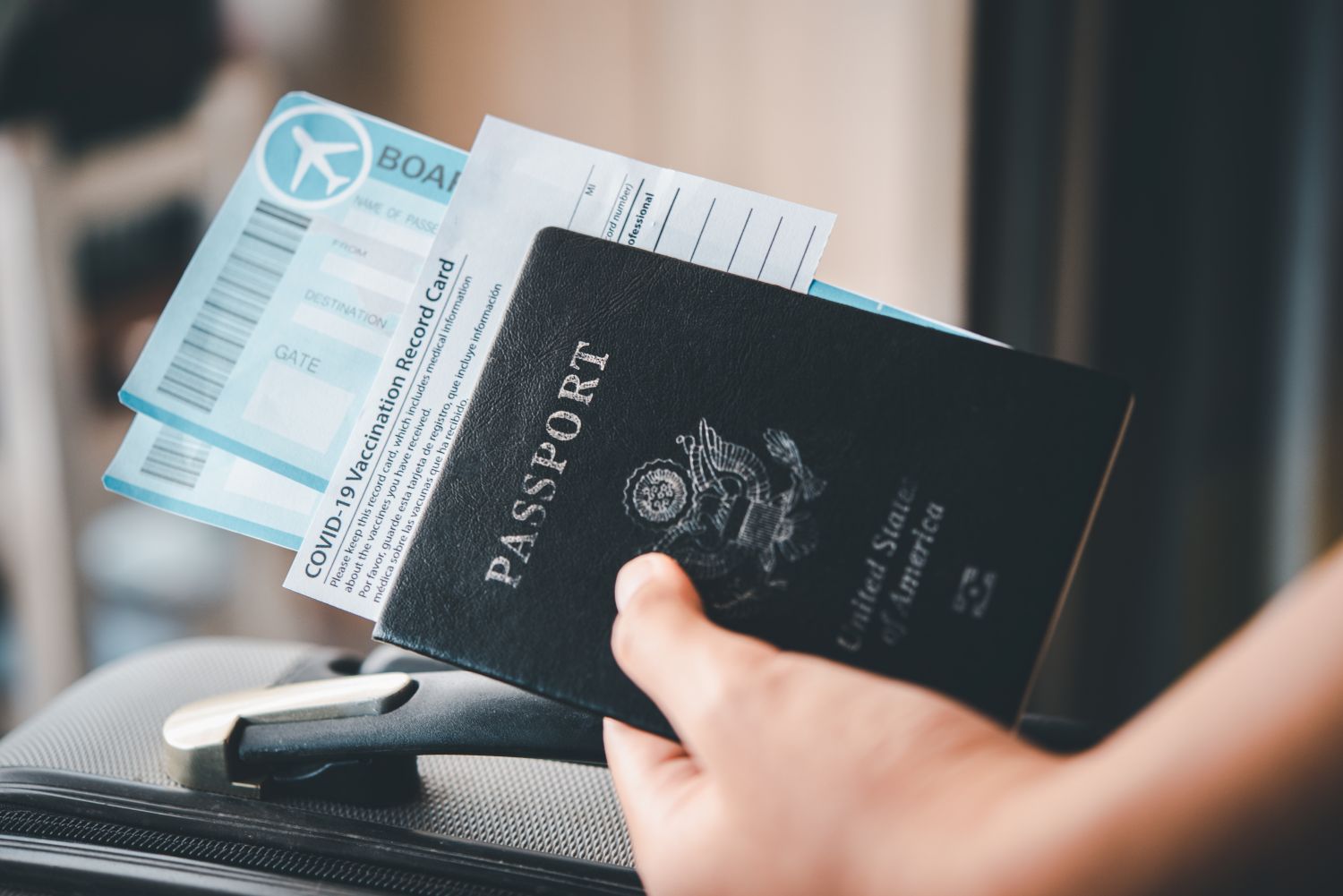
Essential Documents You Must Prepare Before Boarding Your Flight
As you prepare for your upcoming journey, the last thing you want is the stress of missing essential documents at the airport. Proper travel documentation not only ensures a smooth boarding process but also safeguards against unforeseen complications. From identification and travel itineraries to visa requirements and health records, this guide will outline the crucial documents you need to have ready before you take off. Discover the essentials that will make your travels hassle-free.
Importance of Proper Documentation
Proper documentation significantly reduces the risk of travel disruptions by over 50%, as travelers with complete documentation encounter fewer issues at borders and airports. For instance, a traveler may be denied boarding if they do not possess proof of vaccination, particularly in light of recent pandemic regulations.
To mitigate such risks, it is essential to thoroughly review the entry requirements of the intended destination well in advance.
Utilizing resources such as the International Air Transport Association (IATA) Travel Centre can assist in verifying the necessary documentation. It is advisable to maintain both digital and physical copies of important documents, including your passport, visa, and health records, organized within a travel application like TripIt.
This ensures that these documents are readily accessible throughout the duration of your journey.
Identification Documents
Identification documents are essential for any travel plan, as they serve as proof of identity and citizenship across various international jurisdictions.
Passport Requirements
Most countries mandate the possession of a passport for entry, with a common requirement being a minimum validity of six months from the date of arrival. Along with the validity period, travelers should ensure that their passport contains at least two blank pages to accommodate entry and exit stamps.
For certain destinations, such as the Schengen Area, a visa may be necessary, contingent on the traveler’s nationality and the duration of their stay. Processing times for visa applications and passport renewals can vary; for example, the renewal of a U.S. passport typically takes 10 to 12 weeks.
To mitigate potential delays, individuals are advised to consider utilizing expedited services for urgent travel needs, which can reduce processing time to approximately 5 to 7 weeks.
National ID Cards
National ID cards are recognized as valid identification in several countries, particularly within the European Union, where they may serve as a substitute for passports during travel. For example, nations such as Belgium, Germany, and Spain permit EU citizens to travel using only a national ID card.
However, it is important to note certain limitations; traveling to non-EU countries typically still necessitates a passport. It is advisable to verify the specific regulations of the destination country, as policies may change over time.
When preparing for travel, individuals should ensure that their national ID card is not expired and contains a recent photograph along with personal details, as these elements are essential for smooth passage at border controls.
Travel Itinerary
A well-structured travel itinerary consolidates all essential travel information, facilitating effective planning and minimizing last-minute stress.
Flight Confirmation Details
Flight confirmation details, including flight numbers, departure times, and boarding gates, should be readily accessible in both digital and printed formats. It is essential to verify luggage allowances and be aware of any potential delays.
Utilizing applications such as TripIt can facilitate the organization and consolidation of confirmation emails, itinerary changes, and travel alerts in an efficient manner. TripIt enables users to input and manage their travel plans in a single location, providing real-time updates on flight status.
For individuals who do not possess smartphones, it is advisable to print a hard copy of the itinerary to keep accessible at the airport. By integrating these strategies, travelers can significantly mitigate travel-related anxiety and ensure they remain well-informed throughout their journey.
Accommodation Information
Accommodation information should include reservation numbers, check-in and check-out dates, as well as the hotel’s contact details to prevent any confusion.
To facilitate efficient travel planning, it is advisable to organize these details in a dedicated folder on your smartphone or within your email account. For example, upon receiving a reservation email from platforms such as Airbnb or Booking.com, save it as a PDF or take a screenshot for easy future reference.
It is important to label these files clearly with the hotel name and dates of stay. Additionally, recording the hotel’s phone number and address in a separate document or notes application is recommended.
This organized approach ensures that travelers are well-prepared and capable of managing any last-minute inquiries or changes with ease.
Visa and Entry Requirements
A comprehensive understanding of visa and entry requirements is essential for ensuring compliance and can greatly influence the overall travel experience.
Types of Visas
Visas can be classified into several categories: tourist, business, transit, and student, each serving distinct travel purposes.
Each visa type has specific requirements and application processes. For example, a tourist visa generally requires documentation such as proof of accommodation and a travel itinerary, while a business visa may necessitate an invitation letter from a company located in the destination country.
Transit visas are required for layovers during which travelers intend to leave the airport, whereas student visas require acceptance from an accredited educational institution.
For comprehensive information regarding eligibility and application procedures, please refer to the US State Department’s travel page at travel.state.gov or the UK Home Office at gov.uk/government/organisations/home-office.
Visa Application Process
The visa application process generally entails the submission of necessary forms, payment of applicable fees, and, in some instances, attendance at interviews. Timelines for this process can vary significantly, ranging from a few days to several months.
To initiate a visa application, it is essential to gather all required documents, which may include:
- a valid passport
- recent photographs
- proof of accommodation
- financial statements
For a Schengen visa specifically, applicants must also provide a detailed travel itinerary and a completed visa application form. Fees for visa applications typically range from $60 to $200, depending on the destination.
Processing times usually take approximately 15 days for Schengen visas and between 3 to 6 weeks for U.S. visas. It is advisable to commence the application process well in advance of the intended travel date-ideally, two to three months prior-to ensure sufficient processing time is available.
Health and Safety Documents
Health and safety documentation, including vaccination records and travel insurance, has become increasingly essential for international travel, particularly in the post-COVID landscape.
Vaccination Records
Countries may require proof of vaccinations, such as for COVID-19, measles, or yellow fever, to determine entry eligibility. To facilitate smooth travel, it is essential to possess both digital and physical copies of your vaccination records.
Begin by verifying the specific requirements of your destination; for instance, certain countries may mandate proof of yellow fever vaccination, which is often documented on a yellow card. These records can typically be obtained through your healthcare provider or local health department.
Additionally, health applications such as MyChart or Vaccine Tracker can provide convenient digital access to these documents.
It is advisable to maintain both copies, as customs officials frequently check vaccination status at entry points, particularly during health emergencies.
Travel Insurance Policy
Travel insurance policies are crucial for protecting against unforeseen medical expenses, trip cancellations, and lost luggage, with average costs ranging from $100 to $300 per trip.
To identify the most suitable policy, it is advisable to compare options on platforms such as InsureMyTrip and Squaremouth, which aggregate offerings from multiple providers.
It is important to examine coverage details, including trip cancellation benefits, medical expenses, and 24/7 assistance. Certain policies may include coverage for COVID-related cancellations, while others may exclude such events.
Additionally, reviewing customer feedback can provide valuable insights into the effectiveness of the insurance company in managing claims. Selecting a policy that aligns with specific travel needs is essential to ensure adequate protection throughout the journey.
Financial Documents
Possessing the appropriate financial documents is essential for effectively managing expenses while traveling and for avoiding unnecessary fees.
Currency and Payment Methods
Carrying a combination of cash, credit cards, and localized payment applications, such as WeChat Pay or Venmo, can help minimize transaction fees while traveling abroad.
It is advisable to begin by obtaining a travel-friendly credit card that does not impose foreign transaction fees, such as the Chase Sapphire Preferred. For cash, it is prudent to exchange a small amount at your home bank for the local currency upon arrival, as they typically offer more favorable rates than currency exchange services at the airport.
Additionally, utilizing a service like Wise for international money transfers is recommended, as it is recognized for its low fees and real exchange rates. Furthermore, monitoring daily exchange rates can prove beneficial, as strategically timing your conversions may result in significant savings.
Emergency Contact Information
Maintaining a comprehensive list of emergency contact information, including local embassies and personal contacts, can prove invaluable in the event of travel disruptions.
To establish an accessible emergency contact list, one should begin by collecting essential telephone numbers, such as those for local emergency services, hotel contacts, and the embassy of one’s home country.
It is advisable to store these details in a cloud service, such as Google Drive or Dropbox, to ensure easy accessibility. Additionally, utilizing a dedicated notes application, such as Evernote or OneNote, can facilitate offline access and provide search capabilities.
Contacts should be organized into categories, and it is crucial to update the list regularly, particularly before each trip. This level of preparation can significantly enhance one’s ability to manage unexpected situations effectively.